Trying to eat well on a student budget can feel impossible, but a smart $20 college grocery list can go a long way. With a few low-cost staples, you can build simple breakfasts, filling lunches, and easy dinners without overspending. If you are looking for more cheap foods for college students or practical student budget recipes, this guide will help you stretch every dollar.
Whether you live in a dorm, a shared apartment, or your first tiny studio, the goal is the same: buy flexible ingredients that can be turned into multiple meals. This guide shows you exactly what to buy, how to use it, and how to make your grocery budget work for a full week.
Table of Contents
Why a $20 Grocery List Matters for College Students
College life comes with real budget pressure. Between tuition, rent, transportation, and school supplies, groceries often become the first thing students try to cut. The problem is that relying on takeout, vending machines, or coffee-shop snacks usually costs more in the long run.
A simple grocery list helps you:
- spend less money
- waste less food
- avoid last-minute expensive meals
- make quick meals with basic ingredients
- stay fuller during busy school days
You do not need fancy products or trendy ingredients. A few low-cost basics can make breakfast, lunch, dinner, and snacks much easier. If you ever wonder what can I cook with a small budget, the answer usually starts with affordable pantry staples.
The Full $20 College Grocery List
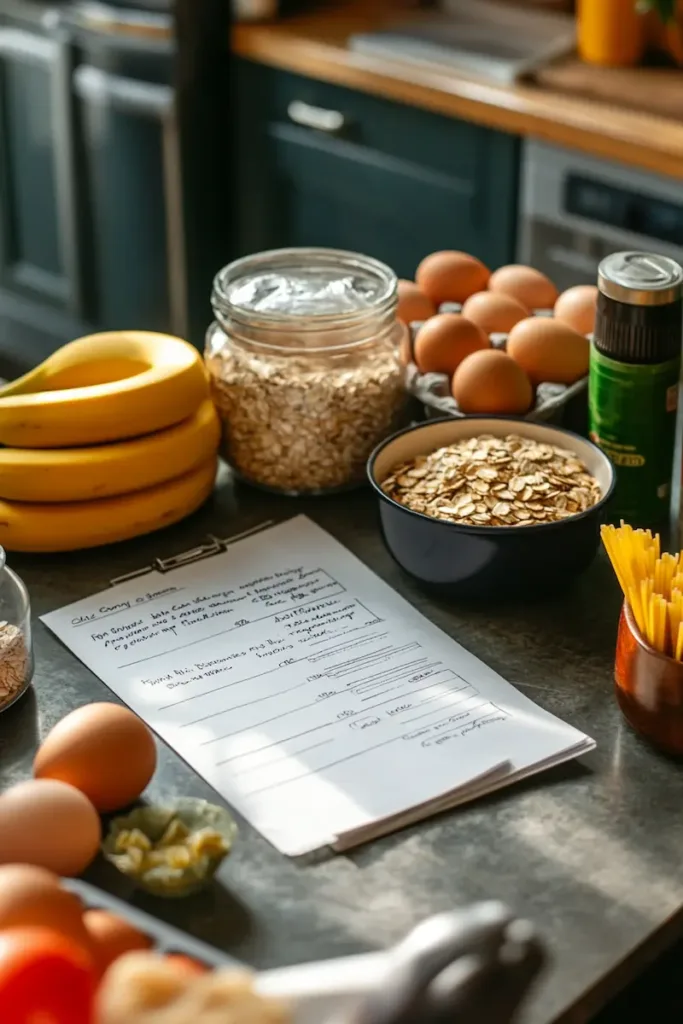
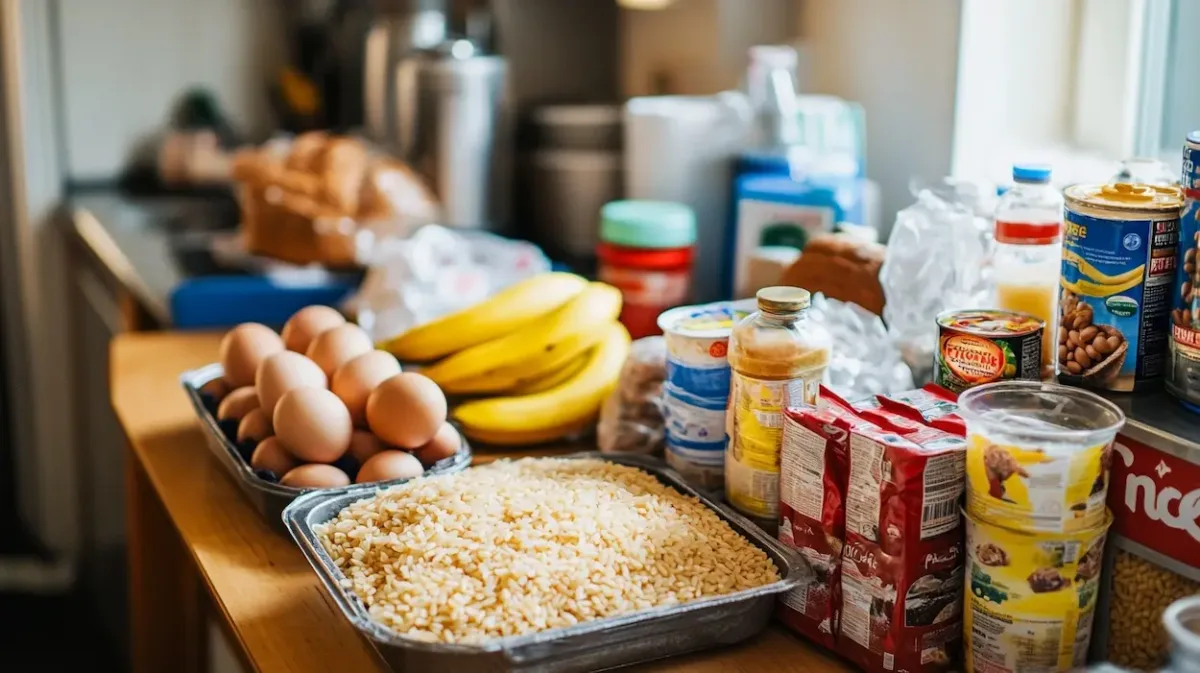
Prices vary by store and location, but this list is based on low-cost grocery staples commonly found at budget stores like Aldi, Walmart, or store-brand chains.
1. Oats
Cheap, filling, and great for breakfast.
2. Peanut butter
Adds protein and flavor to oats, toast, and snacks.
3. Bread
Useful for toast, sandwiches, or quick mini meals.
4. Eggs
One of the most versatile budget proteins.
5. Rice
A cheap base for bowls, egg meals, and simple dinners.
6. Pasta
Filling, easy to cook, and easy to stretch.
7. Pasta sauce
A quick way to turn plain pasta into dinner.
8. Canned beans
Black beans or pinto beans are usually affordable and filling.
9. Canned tuna
Budget-friendly protein for sandwiches, rice bowls, or toast.
10. Frozen mixed vegetables
Long-lasting, cheap, and easy to add to rice or pasta.
11. Bananas
One of the cheapest fruits you can buy.
12. Potatoes
Perfect for baked potatoes, breakfast hash, or cheap dinners.
A sample budget might look like this:
- oats — $2
- peanut butter — $2
- bread — $2
- eggs — $3
- rice — $2
- pasta — $1
- pasta sauce — $2
- canned beans — $1
- canned tuna — $1.50
- frozen vegetables — $2
- bananas — $1.50
That gets you very close to the $20 target, depending on your store and region.
What Makes This Grocery List Work
The best budget grocery lists are built around ingredients that can be reused in different ways. That is what makes this one student-friendly.
For example:
- oats become breakfast for several days
- eggs work for breakfast, lunch, or dinner
- rice pairs with beans, eggs, tuna, or vegetables
- pasta sauce works with pasta, rice, or baked potatoes
- bread becomes toast, sandwiches, or quick side dishes
The goal is not perfection. The goal is getting several meals from the same groceries.
What Meals You Can Make With These Groceries
This cheap grocery list for students can create a full week of simple meals. You can mix and match depending on what you feel like eating.
Breakfast Ideas
- oatmeal with banana and peanut butter
- toast with peanut butter and banana
- scrambled eggs with toast
- fried eggs with potatoes
- overnight oats with peanut butter
For more breakfast inspiration, check out overnight oats recipe, overnight oats recipe protein, and peanut butter overnight oats recipe.
Lunch Ideas
- tuna sandwich with banana
- rice and beans bowl
- egg fried rice with frozen vegetables
- pasta with sauce
- baked potato with beans
Dinner Ideas
- pasta with vegetables
- rice bowl with eggs and frozen vegetables
- tuna rice bowl
- potato bowl with beans and sauce
- simple egg and rice skillet
If you want more ideas like these, your readers can also explore easy college recipes and 25 easy college recipes.
7 Cheap Meal Ideas for the Week
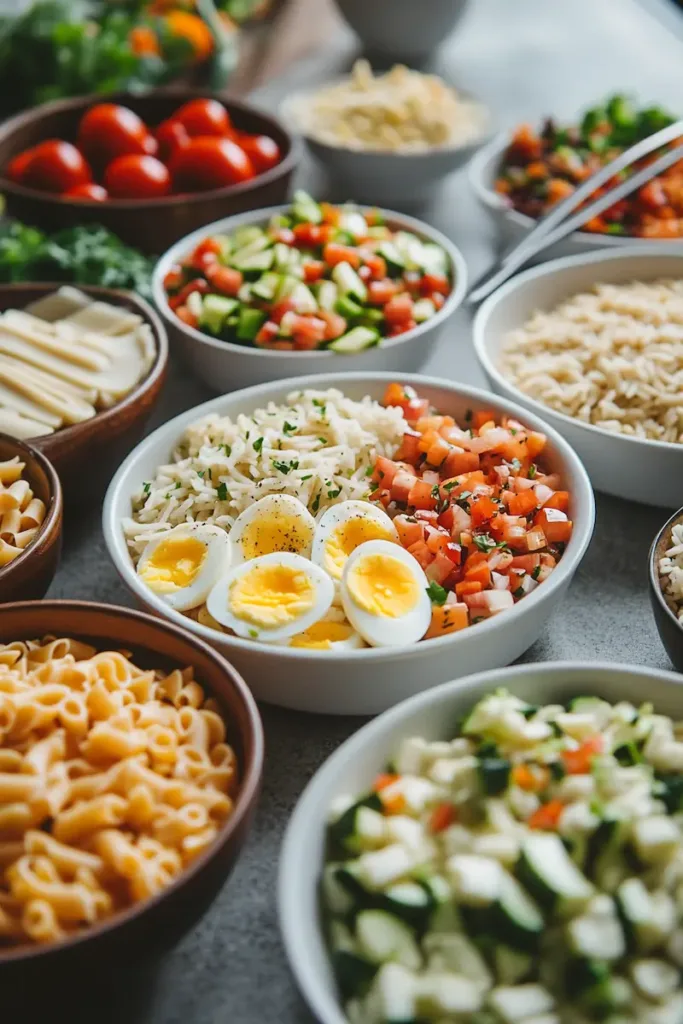
Here is one easy way to turn your groceries into a full week of meals.
Day 1
Breakfast: oatmeal with banana
Lunch: tuna sandwich
Dinner: pasta with sauce and vegetables
Day 2
Breakfast: scrambled eggs and toast
Lunch: rice and beans
Dinner: baked potato with vegetables and eggs
Day 3
Breakfast: peanut butter toast with banana
Lunch: pasta leftovers
Dinner: egg fried rice with frozen vegetables
Day 4
Breakfast: oatmeal with peanut butter
Lunch: tuna rice bowl
Dinner: potatoes with beans and sauce
Day 5
Breakfast: eggs and toast
Lunch: rice and vegetables
Dinner: pasta with beans
Day 6
Breakfast: banana toast with peanut butter
Lunch: baked potato with tuna
Dinner: egg and rice bowl
Day 7
Breakfast: oatmeal
Lunch: bean sandwich or rice bowl
Dinner: pasta with whatever ingredients are left
This kind of flexible plan works well for students because it is simple, realistic, and based on repeat ingredients.
Tips to Stretch Your Grocery Budget Further
A student grocery budget goes further when you focus on a few simple habits.
Buy store brands
Store-brand rice, pasta, oats, and canned goods are usually much cheaper than name brands.
Choose ingredients with multiple uses
Eggs, rice, bread, and potatoes are more useful than one-purpose items.
Buy frozen vegetables instead of fresh
They last longer and reduce food waste.
Keep meals simple
You do not need ten ingredients for every meal. A rice bowl with eggs and vegetables is still a real meal.
Repeat ingredients on purpose
Using the same ingredients in different meals is not boring when you switch the format.
Avoid buying snacks one by one
Individual snack packs cost more than basics like bananas, bread, or oats.
If your audience wants more low-cost meal inspiration, link them to what can I cook with a small budget and recipes for beginners with few ingredients.
Best Cheap Staples to Always Keep in Your Dorm or Apartment
A smart grocery list is easier when you already have a few budget staples on hand.
The best cheap staples include:
- oats
- rice
- pasta
- peanut butter
- canned beans
- canned tuna
- potatoes
- bread
- eggs
- frozen vegetables
These foods work especially well for students because they are low-cost, filling, and easy to store. They also work whether you have a full kitchen, a hot plate, a microwave, or very limited equipment.
For dorm-friendly meal ideas, this article can naturally connect to college meals without a kitchen, dorm room recipes without a fridge, and microwave dorm recipes under 5 minutes.
What to Do if You Only Have a Microwave
Not every student has access to a stove. The good news is that many of these groceries still work in a dorm setup.
You can make:
- microwave oatmeal
- microwave scrambled eggs
- microwave baked potatoes
- microwave rice cups if needed
- steamed frozen vegetables
- simple microwave pasta in some setups
That makes this list a good starting point even for dorm life. Add links to 5 cheap microwave meals under 10 minutes, dorm microwave dinners, and microwave baked potato to strengthen the internal structure.
How to Turn This Into Meal Prep
This grocery list also works well for beginner meal prep.
You can prep in advance by:
- cooking a large batch of rice
- boiling several eggs
- portioning oats into jars or containers
- baking a few potatoes at once
- dividing frozen vegetables into meal portions
This saves time during the week and helps prevent spending money on fast food when you are tired. For more support articles, link naturally to college meal prep ideas, meal prep for college students, and easy meal prep for college students.
Common Mistakes Students Make When Grocery Shopping on a Budget
A lot of students overspend without realizing it. The most common mistakes include:
Buying too many snacks instead of meal ingredients
Choosing brand names over store brands
Buying fresh produce they do not use in time
Shopping without a list
Picking ingredients that only work for one meal
A better approach is to choose flexible basics first, then add one or two extras if the budget allows.
FAQ
Can you really eat for a week on $20 in college?
Yes, if you focus on simple staple foods like oats, rice, pasta, eggs, beans, bread, and frozen vegetables. Prices vary, but the idea is to build cheap meals from flexible ingredients.
What is the cheapest food for college students?
Some of the cheapest foods are oats, rice, pasta, potatoes, eggs, canned beans, bananas, and peanut butter.
What should college students always have in their kitchen?
Students should try to keep basic staples like rice, pasta, oats, eggs, bread, canned beans, and frozen vegetables on hand.
Is a $20 grocery budget realistic?
It can be realistic for one student for a short-term plan, especially when using store brands and low-cost staple foods. In some areas, the exact total may be a little higher.
What if I live in a dorm without a kitchen?
You can still use many of these ingredients with microwave-friendly meals. Articles like college meals without a kitchen and dorm room recipes can help.
Final Thoughts
A good $20 college grocery list is not about eating perfectly. It is about building simple, filling meals that make student life easier. With affordable ingredients like oats, eggs, rice, pasta, beans, and bananas, you can create enough variety to get through the week without spending a fortune.
For students trying to save money, the best strategy is to keep it simple, buy flexible basics, and repeat ingredients in smart ways. That is how a tight grocery budget becomes manageable.