Introduction: Save Money, Eat Real Food
Let’s face it — being a student is expensive. Between rent, tuition, and those “just one coffee” runs, your grocery budget disappears faster than your free time. But here’s the good news: eating well doesn’t have to cost much.
With the right cheap foods for college students, you can eat healthy, filling meals all week for less than $30. These 10 essentials are budget lifesavers — versatile, tasty, and perfect for quick cooking (even in a dorm).
We’ll also link a few helpful guides like Meal Prep for College Without a Kitchen and Easy Rice Cooker Recipes so you can meal prep smarter, not harder.
Table of Contents
1) Rice
Rice stretches your budget like nothing else. A big bag costs a few dollars and lasts for weeks, making it the backbone of your college grocery list. It plays nice with eggs, tuna, beans, frozen veggies—you name it.
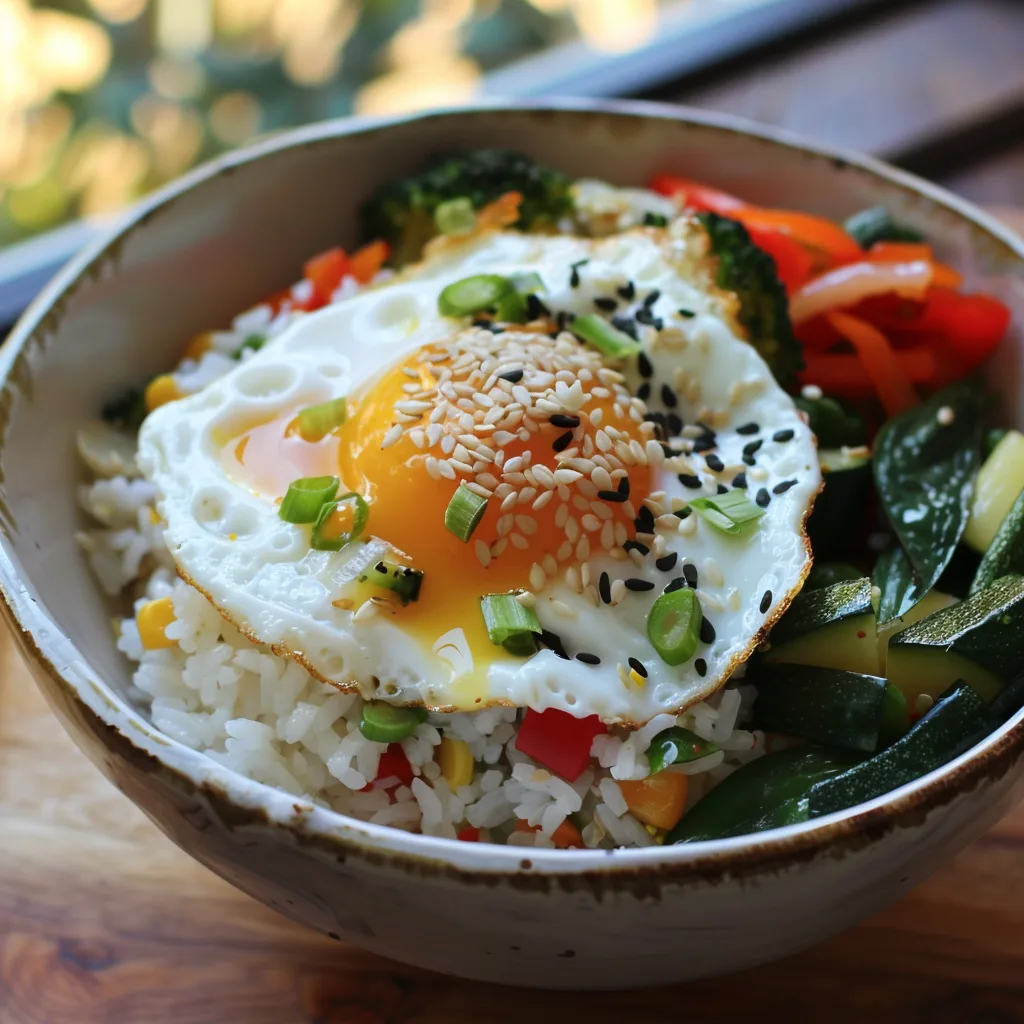
Quick $5 idea: 5-Minute Teriyaki Rice Bowl — Warm cooked rice, stir in frozen veggies, drizzle soy/teriyaki, and top with a fried egg.
Dorm hack: If you’ve got a small cooker, check out these easy rice cooker recipes to turn plain rice into full meals.
2) Eggs
Eggs are protein-rich, versatile, and usually among the cheapest proteins around. They work for breakfast burritos, fried rice, or quick dorm omelets.
Quick $5 idea: Microwave Mug Omelet — Beat 2 eggs in a mug, add a handful of frozen spinach and cheese, microwave 60–90 seconds, stir, microwave again until set.
3) Beans & Lentils
High in fiber and protein, beans and lentils keep you full and energized. Canned saves time; dried saves even more money. Combine with rice or pasta for a complete, comforting meal.
Quick $5 idea: 15-Minute Lentil Chili — Simmer canned lentils with diced tomatoes, chili powder, and frozen corn. Serve over rice or a baked potato.
4) Pasta
At ~$1 a box, pasta is the ultimate affordable student meal starter. Keep garlic, oil, and chili flakes around and you’re never more than 10 minutes from dinner.
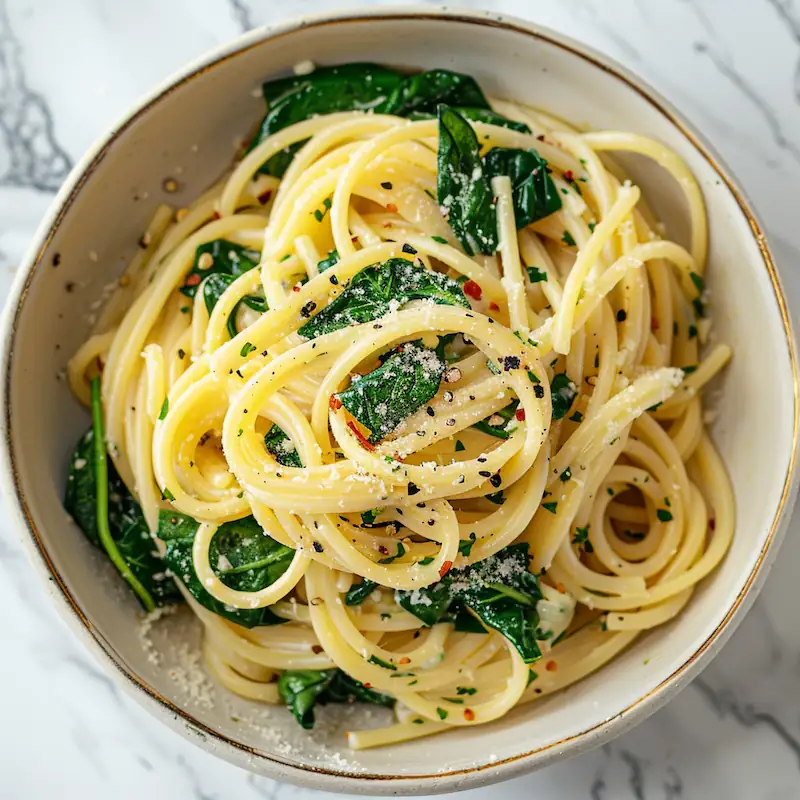
Quick $5 idea: Garlic-Butter Spinach Pasta — Cook pasta, reserve a splash of pasta water, add butter/garlic/chili flakes, toss in frozen spinach, finish with pasta water and salt.
5) Peanut Butter
Peanut butter is cheap, shelf-stable, and packed with fats and protein to keep you full through late lectures.
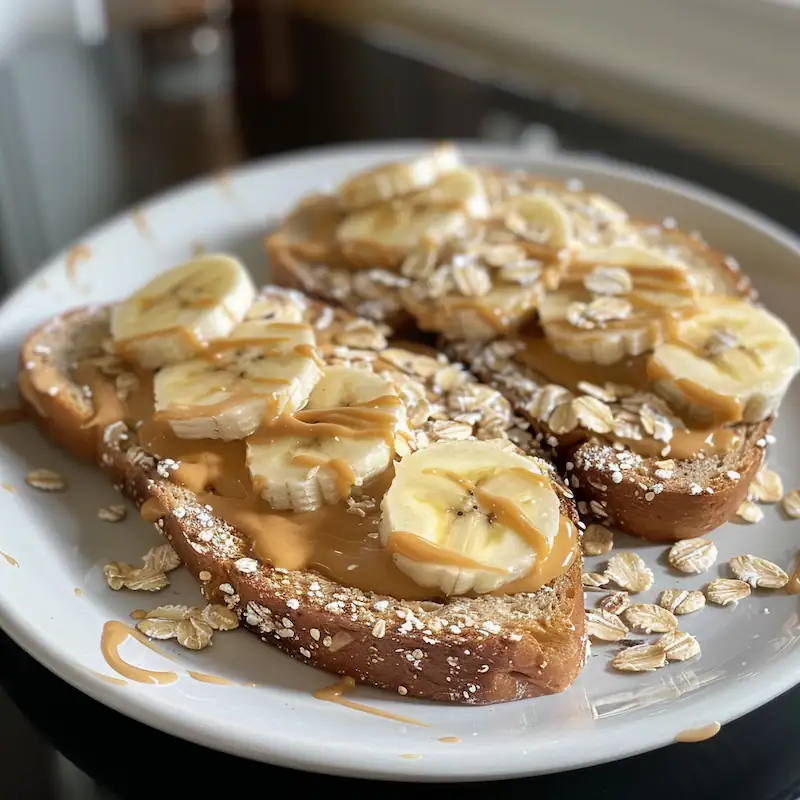
Quick $5 idea: PB Banana Oat Toast — Toast with peanut butter, banana slices, and a sprinkle of oats or cinnamon.
6) Frozen Vegetables
Frozen veggies are often just as nutritious as fresh—and way more forgiving when midterms derail your plans. Toss them into everything: rice bowls, eggs, pasta, soups.
Dorm hack: No stove? You can still eat your veggies! Use this step-by-step guide to microwave steamed vegetables for a fast, healthy side.
Quick $5 idea: Veggie Stir-Fry in Minutes — Sauté (or microwave-steam) mixed veggies, add soy or teriyaki, finish with sesame seeds if you have them. Serve over rice.
Alt text: Colorful mixed frozen vegetables steaming in a microwave-safe bowl.
7) Oats
Oats are breakfast gold: cheap, filling, and endlessly customizable. Go sweet with fruit and peanut butter, or savory with an egg and cheese.
Quick $5 idea: Overnight PB & Jelly Oats — Mix oats, milk, a spoon of PB, and a spoon of jam in a jar. Chill overnight.
Alt text: Mason jar of overnight oats with peanut butter and jam on a dorm shelf.
8) Bananas
Bananas are the budget snack hero—great on their own, on toast, or in smoothies. Slightly green bananas last longer in your dorm.
Quick $5 idea: 2-Ingredient Smoothie — Blend banana with milk (dairy or plant-based). Add oats for thickness or PB for protein.
Alt text: Banana smoothie in a clear cup beside a bunch of bananas.
9) Canned Tuna
Lean protein on the cheap. Mix into pasta, layer in wraps, or spoon over rice with soy and scallions.
Quick $5 idea: Tuna Rice Bowl — Warm rice, flake in tuna, add soy sauce, a squeeze of lime/lemon, and frozen edamame or peas.
Alt text: Budget tuna rice bowl topped with scallions and sesame seeds.
10) Potatoes
Potatoes are the definition of budget comfort food. Bake a batch, then top differently throughout the week.
Quick $5 idea: Loaded Bean Potato — Split a baked potato, add warm seasoned black beans, cheese, and hot sauce.
Alt text: Baked potato stuffed with black beans and melted cheese for an affordable dinner.
Smart Grocery Tips for Students
- Build a core list. Stick to these 10 staples and rotate sauces/spices for variety.
- Buy store brands. They’re almost always cheaper with the same taste.
- Price-per-ounce check. Compare shelf labels to actually spot the cheapest option.
- Cook once, eat twice. Double your rice, pasta, or potatoes and repurpose.
- Freeze it. Bread, cooked beans, chopped bananas—reduce waste and save money.
- Microwave mastery. So many meals are microwave-friendly. Steamed veggies, mug omelets, mug cakes, even full dinners—see 5 cheap microwave meals under 10 minutes for inspo.
Alt text: Student checking price-per-ounce labels while holding a budget grocery list.
1 Week Budget Mini Meal Plan
Use the 10 cheap staples to map a simple week. Swap as needed based on class schedules and cravings.
Day 1
- Breakfast: Overnight oats with PB & banana
- Lunch: Garlic-butter spinach pasta
- Dinner: Lentil chili over rice
Day 2
- Breakfast: Banana smoothie + toast
- Lunch: Tuna rice bowl
- Dinner: Loaded bean potato
Day 3
- Breakfast: Microwave mug omelet
- Lunch: Veggie stir-fry over rice
- Dinner: Peanut butter banana toast + fruit
Day 4
- Breakfast: Oatmeal with cinnamon and PB
- Lunch: Pasta with canned tomatoes & chili flakes
- Dinner: Egg fried rice with frozen peas
Day 5
- Breakfast: Banana + yogurt (or PB toast)
- Lunch: Lentil chili leftovers
- Dinner: Baked potato with tuna and corn
Day 6
- Breakfast: Overnight oats with jam
- Lunch: Veggie rice bowl with soy
- Dinner: Pasta aglio e olio (garlic & oil)
Day 7
- Breakfast: Smoothie with banana + oats
- Lunch: Bean-and-rice burrito bowl
- Dinner: Breakfast-for-dinner omelet + microwave veggies
Dorm-friendly boosters:
- No stove? You can still meal prep without a kitchen using a microwave, mini-fridge, and a few smart containers.
- Want set-it-and-forget-it dinners? Batch hearty, cheap meals with these budget-friendly slow cooker dinner recipes when you have access to a shared kitchen.
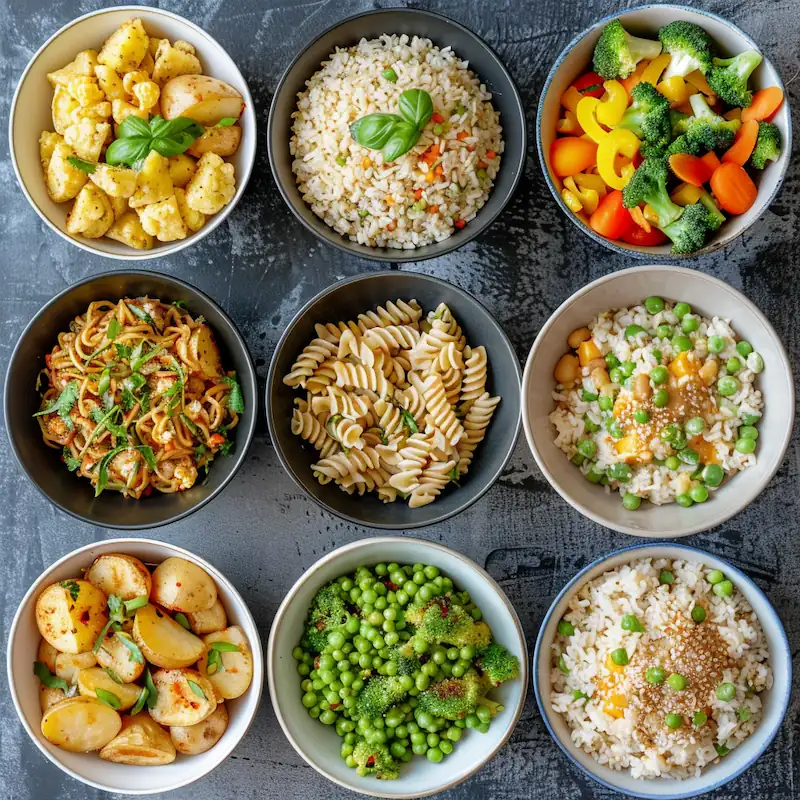
🧾 Printable College Grocery List (PDF)
Want to make grocery shopping easier? Download your free printable version below 👇
FAQ
What are the absolute cheapest proteins for students?
Eggs, canned tuna, beans, and lentils. They’re low-cost, high-protein, and work in bowls, wraps, and pasta.
How can I make balanced meals with only a microwave?
Pair a carb (rice, potato, oats) with a protein (eggs, tuna, beans) and a veggie (frozen or microwave-steamed). Add sauce or spices for flavor.
What’s a realistic weekly grocery budget?
$30–$50 for one student is common, but it varies by location and dietary needs. Shopping store brands and planning 2–3 repeat meals lowers costs.
How do I keep produce from spoiling in a dorm?
Buy frozen veggies, choose sturdy fruits (bananas, apples), and portion/freeze leftovers. Pre-chop and freeze onion/peppers for quick flavor boosts.
I’m bored of rice and pasta—now what?
Change the format: rice bowls → fried rice → stuffed potatoes; pasta → soups → cold pasta salad. Spice blends (taco, curry, Italian) make the same ingredients feel new. For fast variety, try 5 cheap microwave meals under 10 minutes.
Can I meal prep with no stove or oven?
Yes—use a microwave, rice cooker, electric kettle, or slow cooker. This guide to meal prep for college without a kitchen walks you through it.
Are frozen vegetables as healthy as fresh?
Often, yes. They’re typically frozen at peak ripeness, locking in nutrients. (See USDA MyPlate for produce guidance.)
Conclusion: Your Budget, Your Rules
You don’t need fancy ingredients to eat well in college—just the right cheap foods for college students and a few kitchen hacks. With rice, eggs, beans, pasta, peanut butter, frozen veggies, oats, bananas, tuna, and potatoes, you can build a week of affordable student meals that are quick, balanced, and actually tasty. Keep your college grocery list tight, lean on a microwave or rice cooker when you need to, and use the internal guides linked here whenever you want new ideas.