Table of Contents
🥑 Introduction: The Broke-but-Hungry Reality
Let’s be real — college is expensive. Between tuition, textbooks, rent, and social life, food often becomes an afterthought. You might find yourself staring at your fridge thinking, “Can I make dinner with just ramen, an egg, and a dream?”
But here’s the good news: eating healthy on a tight budget isn’t just possible — it’s totally doable. With the right mindset, a few clever hacks, and some easy recipes, you can fuel your body and your brain without draining your bank account.
In this guide, we’ll break down how college students can eat healthy on a budget, from grocery shopping tips to quick meal prep ideas that work even in a dorm kitchen.
💡 Why Eating Healthy in College Matters
College life can feel like a constant sprint — classes, exams, late-night study sessions. When you’re running on caffeine and vending machine snacks, your energy crashes fast.
Eating well keeps you:
- More focused: Stable blood sugar = better concentration.
- Less stressed: Nutrient-rich foods support your mood and mental health.
- More energized: You’ll survive those 8 a.m. lectures (and even enjoy them… maybe).
Think of healthy eating as an investment — not just in your body, but in your grades and sanity.
🛒 Budget-Friendly Grocery Shopping Hacks
One of the biggest myths is that eating healthy costs more. Nope. It’s about how you shop, not how much you spend.
🧾 1. Plan Before You Shop
Impulse shopping is the enemy of your wallet.
✅ Make a weekly meal plan.
✅ Create a shopping list (and stick to it).
✅ Check your pantry before you go.
Pro Tip: Use apps like Flipp or Ibotta to find weekly grocery deals near campus.
🥕 2. Shop Smart, Not Fancy
Stick to budget-friendly staples:
- Brown rice, oats, whole-grain pasta
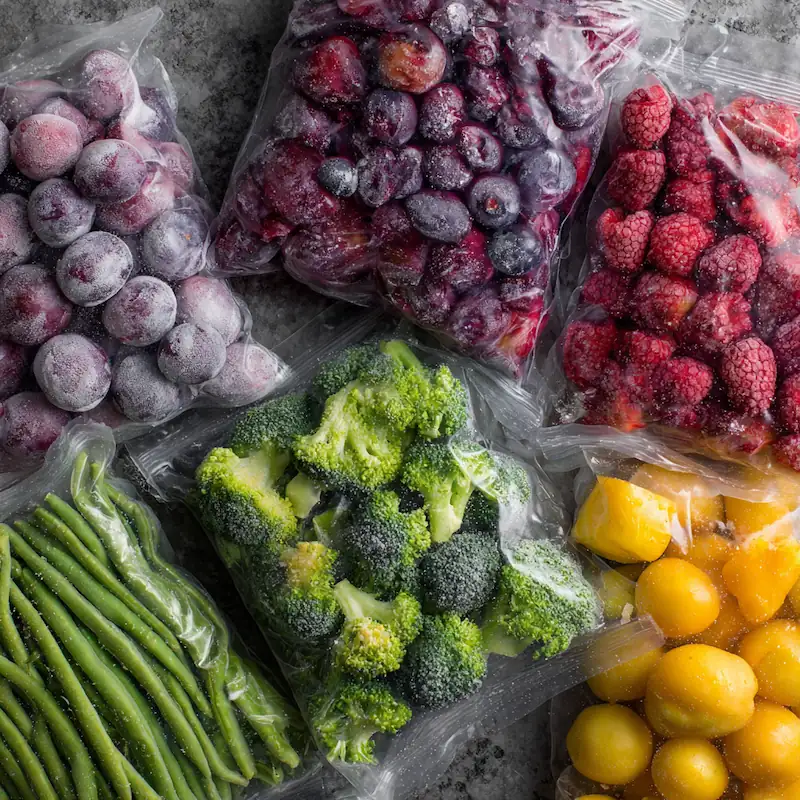
- Frozen veggies and fruits (same nutrients, lower price)
- Eggs, beans, lentils, and canned tuna for protein
Avoid buying pre-cut or pre-made meals — they’re 2–3x more expensive.
🏷️ 3. Buy Generic and Store Brands
Same quality, half the price.
You don’t need name-brand oats or almond butter to be healthy.
🧊 4. Use Your Freezer Like a Pro
Buy produce in bulk, then freeze portions.
Frozen spinach, broccoli, and berries are lifesavers for smoothies and stir-fries.
🍝 Cheap Healthy Meals for College Students
Here are three easy, affordable recipes anyone can make in a dorm or small kitchen.
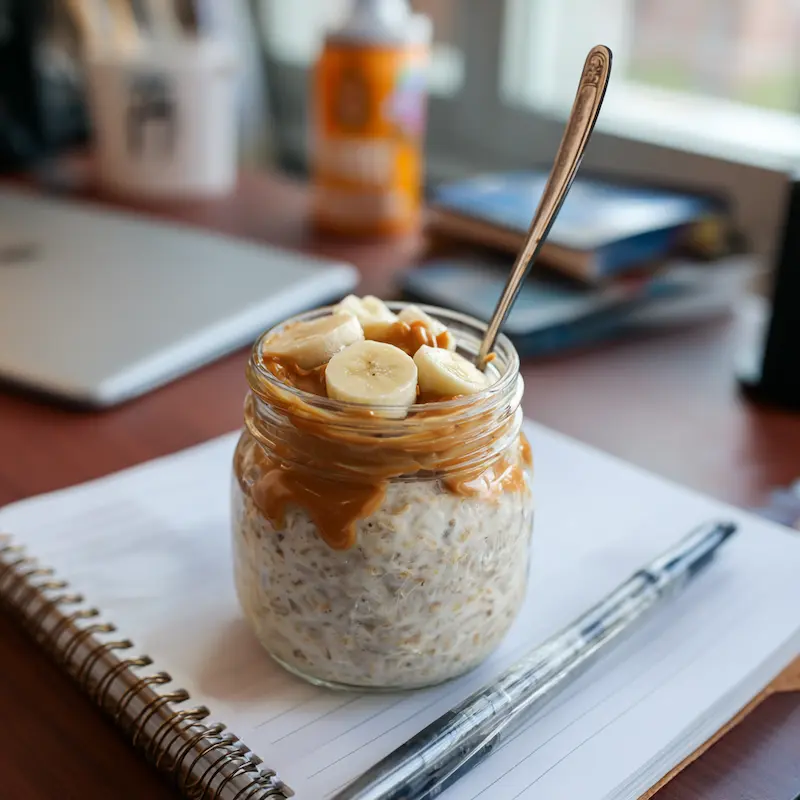
🥣 1. Overnight Oats
Ingredients:
- ½ cup rolled oats
- 1 cup milk or non-dairy alternative
- 1 tbsp peanut butter
- ½ banana or handful of frozen berries
How to: Mix, refrigerate overnight, and enjoy in the morning.
Cost per serving: $1.20
Try our full guide to overnight oats recipes for students
🍳 2. 5-Minute Veggie Scramble
Ingredients:
- 2 eggs
- ½ cup chopped veggies (spinach, tomato, onion)
- Sprinkle of cheese or nutritional yeast
How to: Sauté veggies, add eggs, scramble until cooked.
Cost per serving: $1.50
Bonus: Works great in a microwave-safe mug!
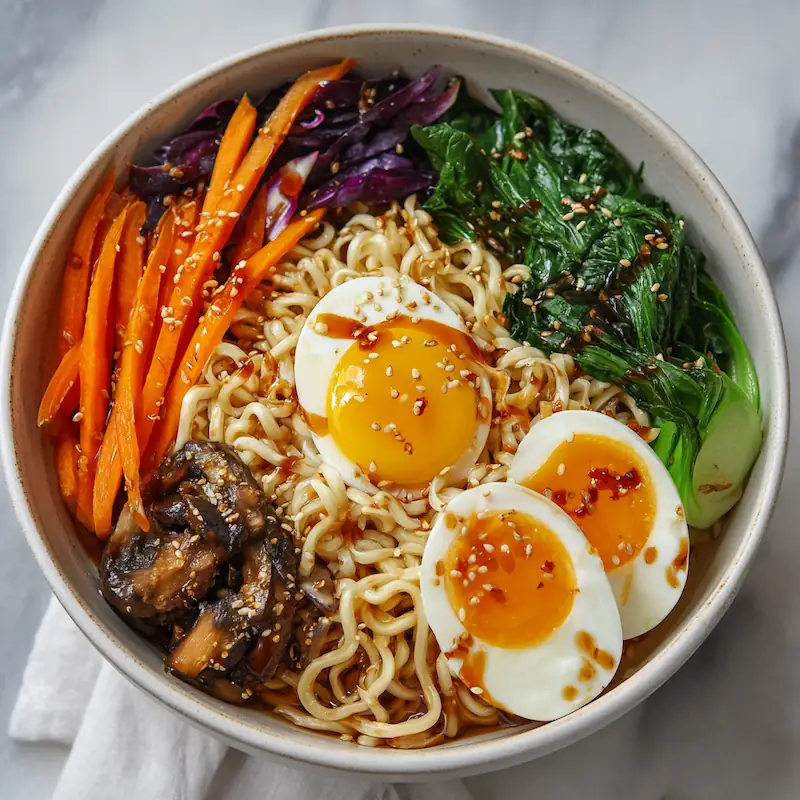
🍜 3. Ramen Glow-Up Bowl
Ingredients:
- 1 instant ramen packet (toss the sodium-heavy flavor packet)
- ½ cup frozen mixed veggies
- 1 boiled egg or tofu
- Soy sauce, garlic, sesame oil
How to: Boil noodles, add veggies, top with egg and drizzle sauce.
Cost per serving: $2
⏰ Smart Meal Prep on a Student Schedule
Meal prep doesn’t mean spending hours cooking on Sunday.
It’s about saving time and money throughout the week.
🗓️ Step 1: Cook Once, Eat Twice
Make big batches of rice, roasted veggies, or chicken — then remix them all week.
Example:
- Monday: Chicken burrito bowl
- Tuesday: Chicken wrap
- Wednesday: Chicken stir-fry
🥡 Step 2: Store in Portions
Use reusable containers or mason jars. Label them by day — it makes weekday eating brainless.
💻 Step 3: Keep It Realistic
Start small — even prepping just breakfast can make mornings smoother (and cheaper).
🏫 Campus Dining: Making the Most of Your Meal Plan
If you’re on a meal plan, you still have control over how healthy you eat.
Tips:
- Load your plate with veggies first.
- Choose grilled over fried.
- Keep reusable containers for taking fruit or salad to go.
- Avoid sugary drinks — opt for water or tea.
If your cafeteria has theme nights (Taco Tuesday!), make friends with the staff and ask for extra toppings or protein — they usually don’t mind.
🍎 Snack Smart: Healthy Alternatives That Don’t Break the Bank
When the 3 p.m. cravings hit, skip the vending machine.
Here are cheap and healthy swaps:
| Craving | Skip This | Try This Instead |
|---|---|---|
| Sweet | Candy bars | Apple slices + peanut butter |
| Crunchy | Chips | Air-popped popcorn |
| Salty | Instant noodles | Whole-grain crackers + hummus |
| Energy | Energy drink | Iced green tea + lemon |
You’ll save cash and skip the crash.
🏠 Healthy Eating Tips for Students Living in Dorms
Dorm kitchens are… let’s say “limited.” But you can still eat well with a mini fridge and microwave.
Essentials to keep in your dorm:
- Microwave-safe bowl + mug
- Small cutting board + knife
- Mini rice cooker or hot plate (if allowed)
Go-to dorm meals:
- Microwave oatmeal with frozen fruit
- Rice cooker veggie soup
- Greek yogurt with granola and honey
❓ FAQs: How College Students Can Eat Healthy on a Tight Budget
Q1. What’s the cheapest healthy meal for college students?
Overnight oats, stir-fried veggies with rice, and lentil soup are all under $2 per serving.
Q2. How can I eat healthy in a dorm without cooking?
Try microwave-friendly meals like oatmeal, veggie mug omelets, or instant couscous salads.
Q3. Is it cheaper to meal prep or eat out?
Meal prepping costs about $25–30 per week versus $10–12 per meal eating out.
Q4. What are the best cheap protein sources?
Eggs, beans, lentils, peanut butter, and canned tuna — all affordable and nutritious.
Q5. How can I resist fast food cravings?
Prep snacks ahead of time and keep healthy options (nuts, fruit, yogurt) within reach.
🌱 Conclusion: Eating Healthy on a Budget Is Totally Doable
You don’t need a gourmet kitchen or a big budget to eat well. With a little planning and creativity, college students can eat healthy on a tight budget — and still enjoy every bite.
Start small this week: plan one homemade breakfast, one batch lunch, and one healthy snack swap. Your wallet (and your body) will thank you.
Remember: You’re not just feeding your stomach — you’re fueling your future. 💪