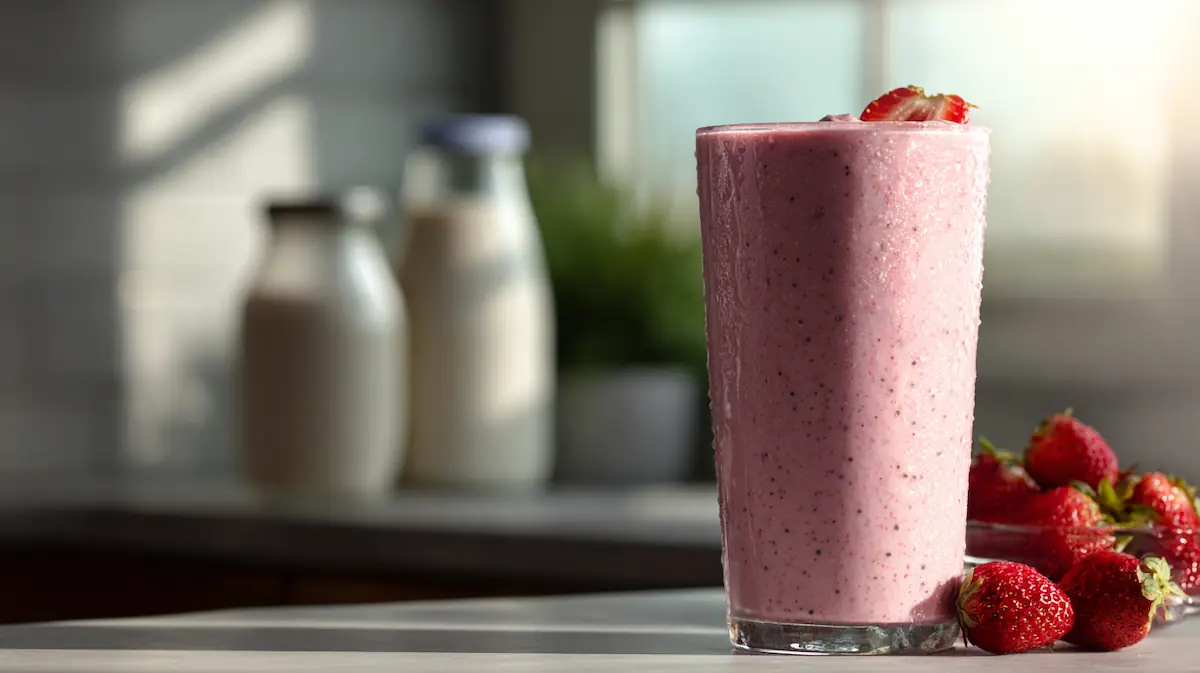
If you’ve ever wanted a morning routine that’s quick, filling, and good for your gut, probiotic smoothies are your new best friend. They blend creamy yogurt or kefir with real fruit, fiber-rich add-ins, and (if you like) a scoop of protein to keep you full for hours. In this guide, you’ll learn exactly what probiotics are, the simplest base formula to make any flavor you want, and several high-protein variations—plus tons of tips for busy schedules and tight budgets.
Table of Contents
Why Probiotic Smoothies? Benefits in Plain English
Probiotics are live microorganisms (often called “good bacteria”) that, when consumed in adequate amounts, may support a balanced gut. Fermented foods like yogurt and kefir are easy, widely available sources. Evidence is strongest for certain digestive issues (think: some types of diarrhea), and overall, research is ongoing for broader health claims. The National Center for Complementary and Integrative Health (NCCIH) explains that while some uses show promise, high-quality evidence is mixed across conditions—so it’s smart to enjoy probiotics as part of an overall healthy diet rather than a magic fix. NCCIH+2NCCIH+2
Kefir in particular is a tangy, drinkable fermented dairy with a diverse set of cultures; reviews suggest potential benefits related to digestion and antioxidant capacity, among others. Again: helpful, not miraculous. PMC+2PMC+2
Smoothies are a great vehicle because they let you combine probiotics with prebiotic fibers (fruit, oats, chia, flax), which feed those friendly microbes—plus protein for staying power. And unlike fancy supplements, everything here is pantry- or dorm-friendly and budget-savvy.
Probiotic Smoothie Base Formula (Master Recipe)
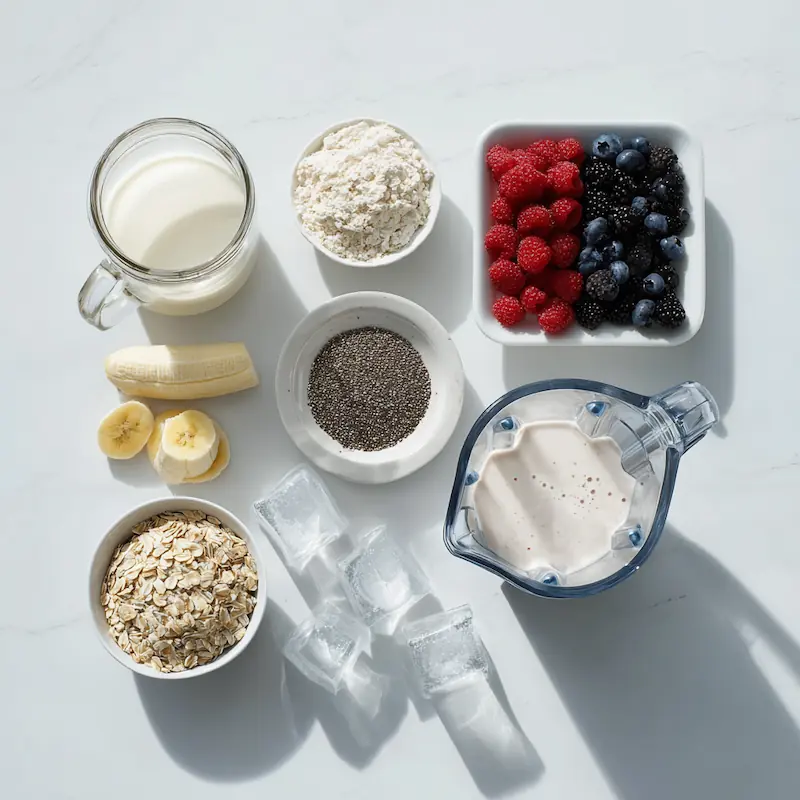
This master formula is your plug-and-play template. Swap fruits, change dairy/non-dairy, and add the extras you like.
Serves
1 large smoothie (about 16–18 oz) or 2 small smoothies
Ingredients
- 1 cup probiotic base: plain kefir or yogurt (Greek for more protein, regular for milder tang). Use dairy-free yogurt with live cultures if needed.
- 1 cup fruit (fresh or frozen): berries, mango, pineapple, banana, peaches—your call.
- ½ cup liquid: cold water, milk (dairy or non-dairy), or 100% juice for extra sweetness.
- 1–2 Tbsp fiber add-ins (choose 1–2): chia seeds, ground flax, rolled oats, or hemp hearts.
- Optional protein: ¼–½ cup cottage cheese (ultra-creamy), ½–1 scoop protein powder, or 2–3 Tbsp powdered milk.
- Ice: ½–1 cup if using mostly fresh fruit. Skip if using frozen fruit unless you want it extra thick.
- Sweetener to taste: honey, maple syrup, dates, or nothing if fruit is sweet enough.
- Pinch of salt + ½ tsp vanilla (optional but great for flavor).
Directions
- Add liquids first, then soft ingredients, then frozen fruit/ice on top (for easier blending).
- Blend on low → medium → high for 30–60 seconds until completely smooth.
- Taste and adjust: a splash more liquid if too thick, a handful of ice if too thin/warm, or a touch of sweetener if needed.
Tip: Cold protects texture and tastes better. Keep dairy at or below 40°F in the fridge. The USDA notes yogurt is best stored at 40°F and generally keeps 1–2 weeks refrigerated; avoid the “danger zone” between 40°F and 140°F. ask.usda.gov+1
Flavor Variations
Use the base formula, then plug in these combos.
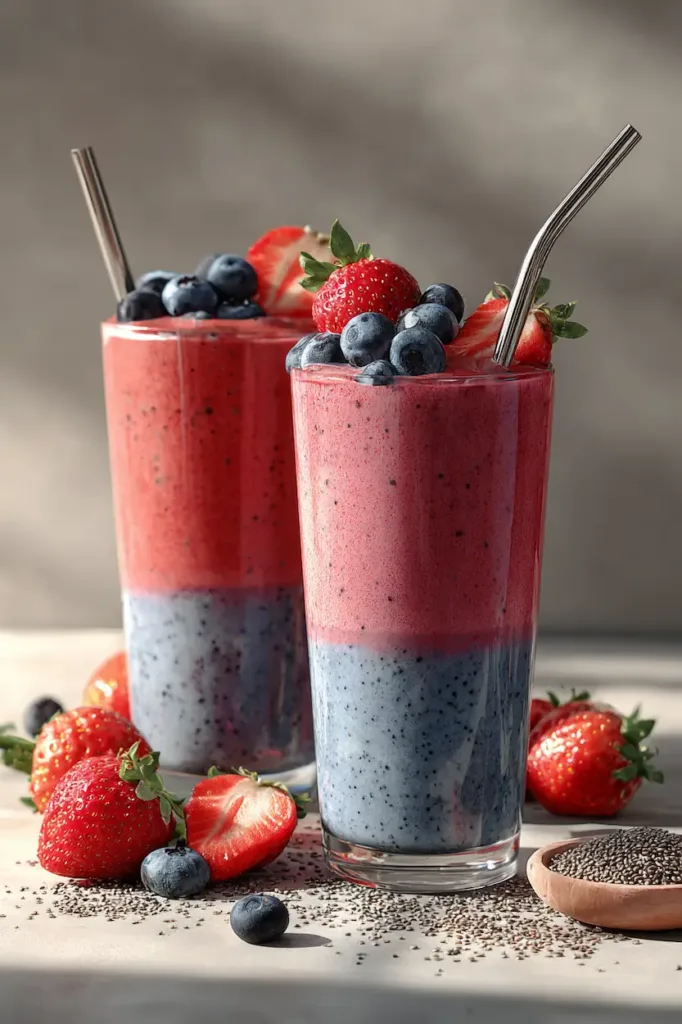
1) Strawberry–Vanilla Greek Yogurt (High-Protein)
- 1 cup plain Greek yogurt
- 1–1½ cups frozen strawberries
- ½ cup milk (or water)
- 1 Tbsp chia seeds
- ½ scoop vanilla whey or plant protein (optional)
- ½ tsp vanilla + pinch of salt
- 1–2 tsp honey, to taste
Macros vibe: Higher protein from Greek yogurt; thick, milkshake-y texture.
2) Tropical Kefir Glow
- 1 cup plain kefir
- 1 cup frozen mango
- ½ cup frozen pineapple
- ½ cup coconut water (or water)
- 1 Tbsp ground flax
- Squeeze of lime + 1–2 tsp honey
Why it works: Kefir’s tang + mango’s creaminess = sunshine in a cup. Diverse cultures from kefir bring extra probiotic variety.
3) Blueberry Oat PB & J
- ¾ cup plain yogurt or kefir
- 1 cup frozen blueberries
- ¼ banana (creaminess)
- ½ cup milk (or water)
- 2 Tbsp rolled oats
- 1 Tbsp peanut butter
- Pinch of cinnamon + salt
Notes: Oats + peanut butter add fiber and staying power; great post-workout.
4) Dairy-Free Raspberry Coconut Probiotic
- 1 cup coconut yogurt with live cultures
- 1–1½ cups frozen raspberries
- ½ cup coconut milk (carton) or water
- 1 Tbsp hemp hearts
- 1–2 Medjool dates or maple syrup to taste
Tip: Check the label for “live and active cultures” on non-dairy yogurts.
5) Green “Gut-Happy” Smoothie
- ¾ cup plain kefir or yogurt
- 1 cup frozen pineapple
- ½ frozen banana
- 1–2 cups spinach
- 1 Tbsp chia + ½ tsp fresh ginger
- Water to blend
Taste: Bright, lightly sweet, no grassy aftertaste. Ginger adds a pleasant zip.
Ingredient Guide: What to Use (and What to Skip)
Probiotic Bases
- Greek yogurt: Thicker, higher protein—a smart choice if you want a filling breakfast.
- Regular yogurt: Milder tang; still provides cultures when labeled with live and active cultures.
- Kefir: Drinkable, tangier, and often contains a broader variety of cultures. Reviews highlight potential antioxidant and digestive benefits, though human outcomes vary. PMC+1
- Dairy-free yogurt (coconut, almond, soy): Choose brands that state live cultures.
Liquids
- Milk (dairy or non-dairy) for creaminess; water to keep calories light; 100% juice for sweetness.
- Kombucha can replace part of the liquid for a fizzy edge—but go slow, as it’s tangy and can slightly change texture.
Fiber & Prebiotics
- Chia, flax, oats, hemp hearts, banana, berries, pears, dates—these help feed your gut microbes (prebiotics) and keep you satisfied.
Protein Boosters
- Greek yogurt, kefir, cottage cheese, protein powders (whey or plant), or powdered milk. If you love cottage cheese recipes, you’ll probably love this Cottage Cheese Protein Smoothie too—super creamy and budget-friendly.
Sweeteners
- Use ripe fruit first. If needed, add a little honey or maple; or try dates for fiber + sweetness.
What to Skip (or Use Carefully)
- Sugary yogurt cups: Choose plain and sweeten yourself.
- Too much ice: It waters down flavor and can cause icy textures. Use frozen fruit instead.
- Very hot liquids: Heat can harm live cultures—keep smoothies cold.
Budget & Meal Prep Tips (Dorm- and Apartment-Friendly)
- Buy frozen fruit: Cheaper, consistent quality, and thicker smoothies.
- Stock a few staples: A big tub of plain yogurt or kefir + a bag of frozen fruit covers a week’s breakfasts.
- Make freezer packs: Portion fruit + seeds/oats in zip bags; in the morning, add yogurt/kefir and liquid and blend. (Add the probiotic dairy at blend time—freezing won’t “ruin” a smoothie, but keeping cultures cold and fresh is ideal.)
- No full kitchen? A small blender + mini-fridge is enough. For more dorm-friendly inspo, see Dorm Room Recipes Without a Fridge and Easy Campus Eats style guides across our site.
- Stretch your yogurt: Use half yogurt + half milk/water. You’ll still get creaminess with fewer dollars per cup.
- Food safety 101: Keep dairy cold (≤40°F), and don’t leave smoothies with dairy out more than 2 hours. ask.usda.gov+1
- Power outage? The FDA says refrigerated food is generally safe up to 4 hours if the door stays shut. After that, when in doubt, throw it out. U.S. Food and Drug Administration
Troubleshooting: Thicker, Colder, Creamier
- Too thin? Add ½ frozen banana, more frozen fruit, or ¼ cup rolled oats.
- Too thick? Splash in extra liquid, 2–3 Tbsp at a time.
- Icy or gritty? Blend longer; start low then ramp up. Let frozen fruit sit 1–2 minutes before blending.
- Not sweet enough? Use riper fruit, a date or two, or a teaspoon of honey.
- Not filling? Increase protein (Greek yogurt/cottage cheese or a half scoop protein powder) and add 1–2 Tbsp chia or peanut butter.
- Sour tang too strong? Use 50/50 kefir and milk, or choose regular yogurt over kefir.
FAQs
1) Do probiotics survive blending?
Yes, blending itself isn’t the enemy. The turbulence of a home blender isn’t hot, and mechanical shear alone doesn’t typically “kill” probiotics outright. More important is temperature—keep ingredients cold and avoid heat. Evidence on exact survival rates during blending is limited, but the general recommendation is to blend cold and drink fresh for the best chance of viable cultures. For context, safety and efficacy guidance from NIH’s NCCIH stresses that probiotic effects depend on specific strains and adequate amounts—another reason to use ample yogurt/kefir and enjoy promptly. NCCIH
2) What’s better for gut health: yogurt or kefir?
Both can be great. Greek/regular yogurt offers protein and live cultures (check labels). Kefir tends to have a broader mix of cultures because it’s fermented with kefir “grains.” Reviews suggest potential antioxidant and digestive benefits; however, human outcomes vary and more research is needed. Choose the one you enjoy and will drink consistently. PMC+1
3) Can I meal prep probiotic smoothies?
You can prep freezer fruit packs and blend fresh with yogurt/kefir in the morning. If you blend ahead and refrigerate, drink within 24 hours for the best flavor and texture. Keep the smoothie cold (≤40°F) to protect dairy quality; discard if left at room temp for more than 2 hours. ask.usda.gov+1
4) Are probiotic smoothies safe for everyone?
Most healthy adults can enjoy them. People with compromised immune systems or certain medical conditions should talk to a clinician before using high-dose probiotics. NCCIH notes probiotics are generally safe for most people, but evidence and safety can depend on strains and health status. NCCIH+1
5) How do I make mine high-protein without chalky taste?
Use Greek yogurt, cottage cheese, or a half scoop of a protein powder you like (whey blends extra creamy; many plant blends are great too). Pair with creamy fruits (banana, mango) and ½ tsp vanilla to smooth flavors. If you love protein breakfasts, check out our Greek Yogurt Smoothie and High-Protein Cottage Cheese Breakfast Bowl for more ideas.
6) Can I use kombucha instead of water or milk?
You can replace ¼ to ½ of the liquid with kombucha for fizz and tang. It’s not necessary, but it can be fun. Add slowly so it doesn’t foam over.
7) Does honey “kill” probiotics?
A normal drizzle of honey in a cold smoothie isn’t likely to wipe out probiotics. Heat is the bigger issue; keep it cold.
8) Lactose intolerant—am I out of luck?
Not at all. Many people tolerate kefir better than milk, and lactose-free or non-dairy yogurts with live cultures work well. Start with small portions and see how you feel. (For a dairy-free direction, try the raspberry coconut variation above.) PMC
9) What about food safety and cleaning my blender?
Wash your blender thoroughly after each use; parts that trap residue can harbor bacteria. General sanitation guidance recommends thorough cleaning and, when needed, sanitizing (e.g., boiling or using appropriate sanitizing methods) for feeding items—good kitchen hygiene habits apply here, too. CDC+1
Probiotic Smoothie Base + 5 Flavor Variations
Ingredients
Equipment
Method
- Add liquids first, then soft ingredients, then frozen fruit or ice for easier blending.
- Blend on low, then medium, then high for 30–60 seconds until completely smooth.
- Taste and adjust thickness or sweetness as desired.
Nutrition
Notes
Tried this recipe?
Let us know how it was!Disclaimer: The information provided in this article is for educational purposes only and is not intended as medical advice. Always speak with a healthcare professional before making significant changes to your diet or if you have questions about your digestive health.