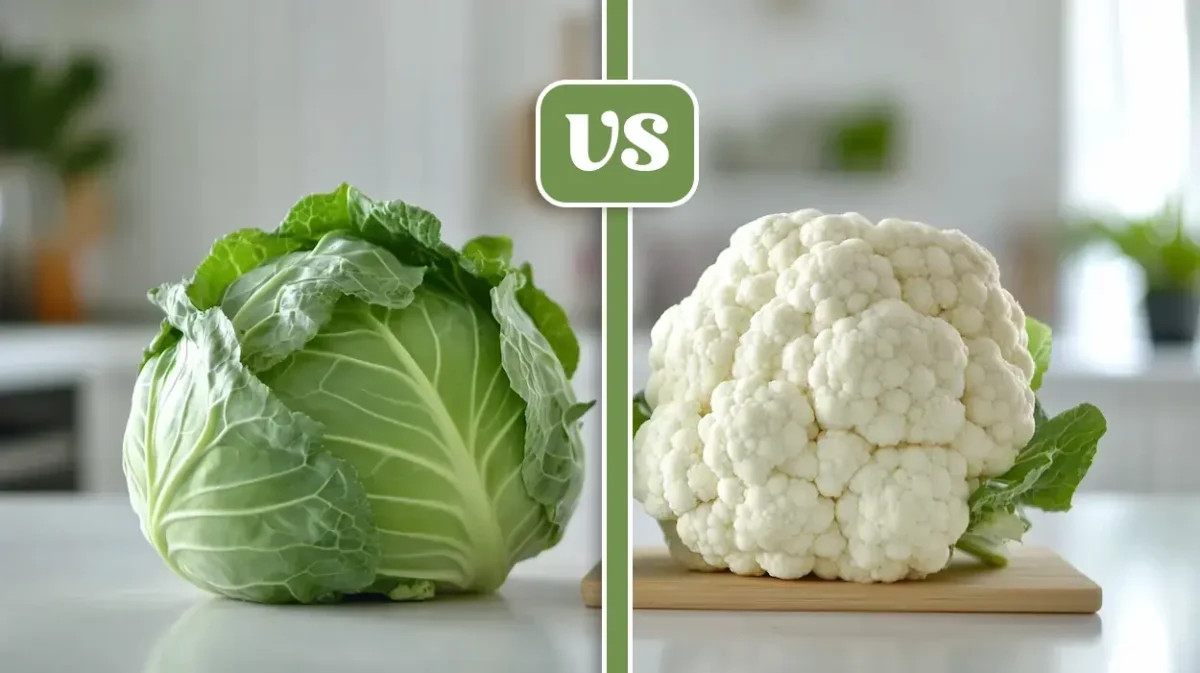
If you have ever wondered cabbage vs cauliflower, the answer depends on what you want from your food: more crunch, milder flavor, easier digestion, or a lower-carb option. Both are affordable, nutritious vegetables, but they shine in different ways.
In the cabbage vs cauliflower comparison, neither vegetable is universally “better.” Cabbage is often cheaper, higher in certain nutrients, and great for slaws, soups, and sautés, while cauliflower is popular for lower-carb meals, mash, rice, and roasting.
Table of Contents
- The Easy Difference Between Cabbage and Cauliflower
- The Best Nutrition Comparison
- Which Vegetable Is Healthier?
- Can Cauliflower Cause Bloating?
- Are Cabbage and Cauliflower in the Same Family?
- Does Cabbage Help With LDL?
- The Ultimate Taste and Texture Comparison
- The Quick Best Ways to Cook Each Vegetable
- Common Mistakes to Avoid
- Storage and Meal Prep Tips
- Is Cabbage vs Cauliflower Healthy?
- FAQ
- Conclusion
The Easy Difference Between Cabbage and Cauliflower
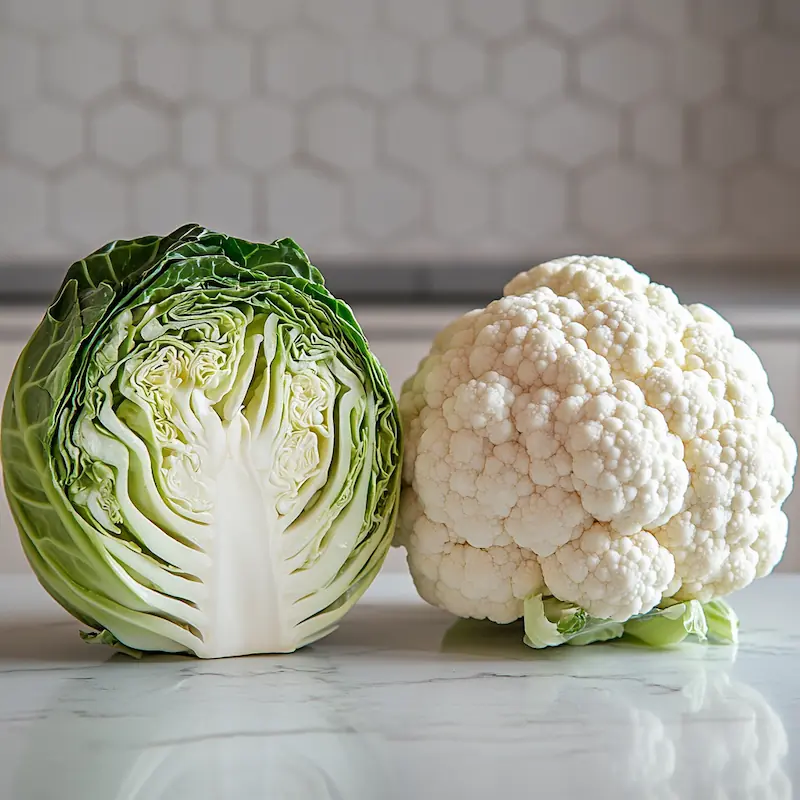
At a glance, cabbage and cauliflower may look like completely different vegetables, but they are actually related. Cabbage forms a dense leafy head, while cauliflower forms a compact head made of immature flower buds.
That difference matters in the kitchen.
Cabbage is:
- Leafy
- Crunchy
- Slightly peppery or sweet
- Great raw or cooked
Cauliflower is:
- Firm and compact
- Mild in flavor
- More neutral
- Easy to mash, roast, or blend
Snippet-ready answer
What is the difference between cabbage and cauliflower? Cabbage is a leafy vegetable with a crisp texture, while cauliflower is a flowering vegetable with a mild taste and dense head. Cabbage works well in slaws and stir-fries, while cauliflower is often used in roasted dishes, mash, and rice substitutes.
The Best Nutrition Comparison
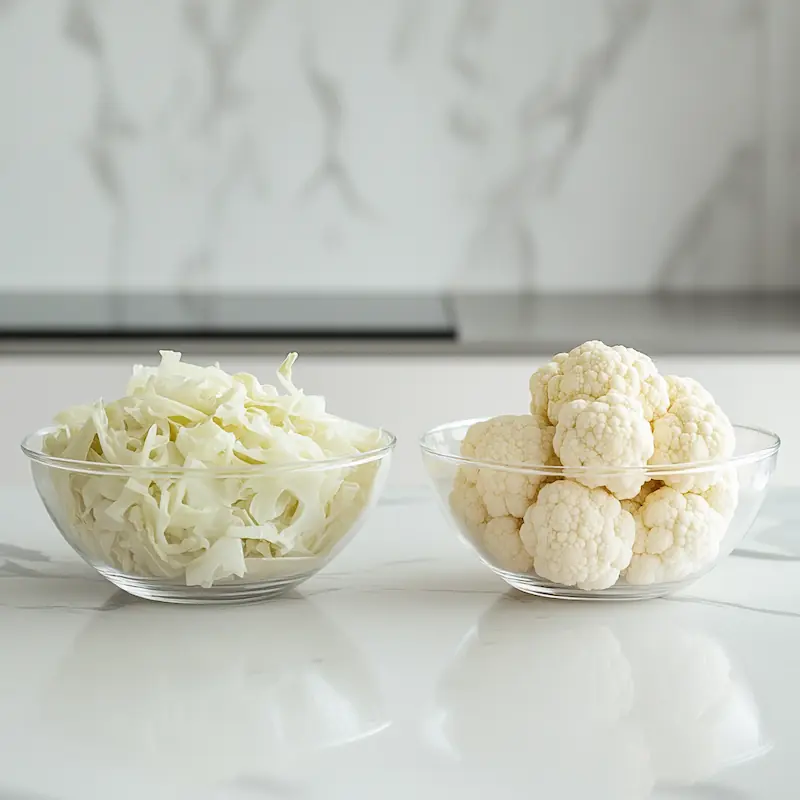
When people search cabbage vs cauliflower nutrition, they usually want a simple answer. The truth is that both are nutrient-dense, low-calorie vegetables that fit into many healthy eating patterns.
Cabbage nutrition highlights
Cabbage is known for:
- Fiber
- Vitamin K
- Vitamin C
- Useful plant compounds found in cruciferous vegetables
Green cabbage is especially practical because it is cheap, easy to find, and lasts a long time in the fridge.
Cauliflower nutrition highlights
Cauliflower is known for:
- Vitamin C
- Folate
- Fiber
- Lower-carb meal flexibility
It is often chosen by people trying to reduce refined carbs because it can replace rice, pizza crust, mashed potatoes, or creamy sauces.
Quick comparison
In a typical cabbage vs cauliflower nutrition discussion:
- Both are low in calories
- Both provide fiber
- Both are cruciferous vegetables
- Cauliflower is often favored in low-carb recipes
- Cabbage is often favored for budget cooking and hearty volume
Which Vegetable Is Healthier?
This is the question most readers really want answered.
The healthier choice depends on your goal:
- Choose cabbage if you want an affordable, filling vegetable for soups, stir-fries, slaws, and meal prep.
- Choose cauliflower if you want a milder flavor and a more versatile low-carb substitute.
- Choose both if you want variety, fiber, and more vegetables in your week.
Snippet-ready answer
Is cabbage or cauliflower healthier? Both are healthy, low-calorie vegetables packed with fiber and helpful nutrients. Cabbage may be better for affordability and hearty meals, while cauliflower may be better for lower-carb cooking and mild, flexible recipes.
One of the best things about this comparison is that there is no bad choice. If you rotate both into your meals, you get more texture, flavor variety, and cooking flexibility.
Can Cauliflower Cause Bloating?
Yes, it can for some people.
Cauliflower belongs to the cruciferous vegetable family and contains fiber and natural carbohydrates that may be harder for some people to digest. That does not mean cauliflower is unhealthy. It simply means digestion varies from person to person.
Why cauliflower may cause bloating
- It is high in fiber
- It contains fermentable carbohydrates for some people
- Large portions may be harder to digest
- Raw cauliflower can feel heavier than cooked cauliflower
How to make it easier to digest
- Start with a small portion
- Cook it instead of eating it raw
- Roast, steam, or sauté it until tender
- Pair it with simple foods instead of a very heavy meal
Cabbage can also cause similar issues in some people, especially when eaten raw in large amounts. If digestion is a concern, cooking both vegetables usually helps.
Snippet-ready answer
Can cauliflower cause bloating? Yes, cauliflower can cause bloating in some people because it contains fiber and natural compounds that may be harder to digest. Cooking it well and eating smaller portions can help reduce discomfort.
Are Cabbage and Cauliflower in the Same Family?
Yes. Cabbage and cauliflower are both part of the cruciferous vegetable family, also called the Brassica family.
This family also includes:
- Broccoli
- Brussels sprouts
- Kale
- Bok choy
- Collard greens
That shared family connection explains why cabbage and cauliflower offer some similar health benefits. They both contain fiber, vitamins, and plant compounds often linked with a balanced diet.
Why this matters
If you dislike one of them, you may still enjoy another Brassica vegetable prepared differently. For example, someone who does not like boiled cabbage might love roasted cauliflower, and someone who dislikes cauliflower mash might enjoy a crunchy cabbage slaw.
Does Cabbage Help With LDL?
Cabbage is not a magic food, but it can support heart-healthy eating.
Because cabbage contains fiber and fits easily into lower-calorie, vegetable-rich meals, it may help support better overall eating habits. Soluble fiber and a diet rich in vegetables are commonly associated with heart health and better cholesterol management.
Practical ways cabbage may support a heart-friendly diet
- Replacing heavier sides with sautéed or roasted cabbage
- Adding more fiber to meals
- Helping meals feel more filling without many calories
- Supporting a balanced plate with lean protein and whole grains
The key is not cabbage alone. It is the overall eating pattern.
Snippet-ready answer
Does cabbage reduce LDL? Cabbage can support a heart-healthy diet because it contains fiber and helps build lower-calorie, vegetable-rich meals. It is most helpful when included as part of an overall balanced eating pattern.
The Ultimate Taste and Texture Comparison
Taste matters just as much as nutrition.
What cabbage tastes like
Cabbage has a stronger flavor than cauliflower. Raw cabbage is crisp, fresh, and slightly peppery. Cooked cabbage becomes softer, sweeter, and more mellow.
What cauliflower tastes like
Cauliflower has a much milder flavor. That is one reason it is so popular. It takes on seasonings well and works in many dishes without overpowering other ingredients.
Texture comparison
- Raw cabbage: crunchy and juicy
- Cooked cabbage: silky, tender, sometimes sweet
- Raw cauliflower: firm and dry-crisp
- Cooked cauliflower: tender, creamy, mashable
If you want crunch, cabbage usually wins. If you want a blank canvas for sauces and spices, cauliflower usually wins.
The Quick Best Ways to Cook Each Vegetable
Cooking method can completely change which vegetable you prefer.
Best ways to cook cabbage
Cabbage is excellent in:
- Stir-fries
- Soups
- Braises
- Slaws
- Roasted wedges
- Sautéed side dishes
A little garlic, olive oil, salt, pepper, and lemon can make cabbage taste much better than many people expect.
Best ways to cook cauliflower
Cauliflower is excellent in:
- Roasted florets
- Cauliflower rice
- Mash
- Soups
- Curry
- Sheet pan dinners
Roasting is often the best gateway method because it adds color, sweetness, and more flavor.
Quick cooking guide
- For meal prep: cabbage holds up better
- For low-carb swaps: cauliflower is more flexible
- For raw salads: cabbage is usually better
- For creamy textures: cauliflower is the clear winner
Try these Brussels sprouts next for another simple and delicious vegetable recipe.
Common Mistakes to Avoid
Even healthy vegetables can turn disappointing if they are cooked the wrong way.
1. Overcooking cabbage
Overcooked cabbage can become mushy and smell stronger than necessary. Cook it just until tender.
2. Underseasoning cauliflower
Cauliflower is mild, so it needs enough seasoning. Salt, pepper, garlic, paprika, parmesan, or lemon can make a huge difference.
3. Eating giant raw portions
Both cabbage and cauliflower can be harder to digest in large raw amounts. If you are sensitive, start small or cook them first.
4. Expecting them to taste the same
They are related, but they are not interchangeable in every dish. Cabbage is leafy and juicy. Cauliflower is dense and neutral.
5. Ignoring texture goals
Think about the result you want:
- Crunchy salad: choose cabbage
- Mash or rice substitute: choose cauliflower
- Soup or sauté: either can work
Best Tips for Perfect Results
These simple tips help you get more from both vegetables.
For cabbage
- Slice it evenly so it cooks at the same rate
- Add acid like lemon or vinegar to brighten flavor
- Pair it with onion, garlic, or mustard for more depth
- Use it in slaws for inexpensive meal bulk
For cauliflower
- Dry it well before roasting
- Do not overcrowd the pan
- Use high heat for better browning
- Season generously
Smart kitchen tip
If your family is divided on cabbage vs cauliflower, serve both in different forms during the week. Try cabbage in tacos or soup and cauliflower roasted with spices or blended into mash.
Storage and Meal Prep Tips
Both vegetables are practical, but cabbage usually lasts longer.
How to store cabbage
- Keep it whole in the fridge
- Wrap cut cabbage tightly
- Use within several days after cutting
- Shred ahead for slaws or sautés
How to store cauliflower
- Keep it dry in the fridge
- Cut into florets for meal prep
- Use sooner than cabbage for best texture
- Roast extra for quick lunches
Meal prep ideas
- Shredded cabbage for bowls, tacos, and stir-fries
- Roasted cauliflower for grain bowls or wraps
- Mixed vegetable sheet pan dinners
- Soup starter packs with chopped cabbage and cauliflower
If you cook for a family or on a budget, cabbage often stretches farther. If you want trendy lower-carb meal options, cauliflower offers more substitutions.
Is Cabbage vs Cauliflower Healthy?
Yes, both vegetables can absolutely be part of a healthy meal plan.
Protein and satiety
Neither vegetable is a high-protein food on its own, but both pair well with protein-rich ingredients like chicken, eggs, tofu, beans, turkey, or Greek yogurt sauces.
A healthy meal is usually built by combining vegetables with:
- Protein
- Healthy fats
- Fiber-rich carbs, if desired
Calories and nutrition facts
Both cabbage and cauliflower are known as low-calorie vegetables, which makes them useful for balanced eating. Exact calories vary by serving size and cooking method, especially if you add oil, butter, cheese, or sauces.
The biggest nutrition takeaway is this:
- Both are nutrient-dense
- Both provide fiber
- Both can help you eat more vegetables without making meals feel too heavy
Weight loss friendly or not?
Both can fit into a weight loss friendly eating pattern when prepared in a balanced way. Cabbage helps by adding volume and crunch, while cauliflower helps by replacing heavier starch-based sides in some meals.
Neither one causes weight loss by itself. What matters most is your overall diet, portion balance, and consistency.
FAQ
1. What’s better for you, cabbage or cauliflower?
Both are good for you, and the better choice depends on your goal. Cabbage is great for budget-friendly, filling meals, while cauliflower is ideal for low-carb recipes and mild flavor.
2. Is cauliflower better than cabbage for weight loss?
Cauliflower can be useful for weight loss friendly meals because it works as a rice or mash substitute. Cabbage is also helpful because it adds volume and fiber, which can make meals more satisfying.
3. Which has more fiber, cabbage or cauliflower?
Both contain fiber, but the exact amount depends on the serving and preparation. In everyday cooking, both are solid choices for adding more plant-based bulk to meals.
4. Is cabbage easier to digest than cauliflower?
For some people, yes. Cabbage may feel easier to digest when cooked well, while cauliflower can cause more bloating in sensitive people. Digestion varies, so personal tolerance matters.
5. Are cabbage and cauliflower the same family?
Yes, they are in the same cruciferous vegetable family. That is why they share some nutritional qualities, even though their flavor, texture, and kitchen uses are different.
6. Can I substitute cabbage for cauliflower?
Sometimes, but not always. Cabbage works well in soups, stir-fries, and slaws, while cauliflower works better for mash, roasting, and rice-style dishes.
7. Which tastes better, cabbage or cauliflower?
That depends on preference. Cabbage has a stronger, crunchier character, while cauliflower is milder and more neutral. Many people prefer cabbage raw and cauliflower roasted.
Conclusion
In the end, the cabbage vs cauliflower debate comes down to how you cook, eat, and shop. Cabbage is hard to beat for value, crunch, and hearty everyday meals, while cauliflower stands out for lower-carb recipes and its mild, flexible flavor.
The best choice is often to keep both in your kitchen and use each where it shines. Save this guide, try one new recipe this week, and compare them side by side in your own meals.
Read this quick guide to microwave steamed vegetables for an easy everyday option.